

.png)

It is recommended that we get between 7-9 hours sleep a night.
Evidence now suggests that less than 7 hours could be detrimental for us long term, which is concerning as the average adult in the UK gets 5.5 hours a night.
Disruptions to our normal routines can affect our quality of sleep and understandably anxieties and worries can cause us to either struggle to get to sleep or wake during the night.
1/3rd of adults experience insomnia at times, and 2/3rds report sleeping badly on a regular basis.
What happens while we sleep?
Over 8 hours, we typically go through 5 cycles of sleep, a cycle being the movement from stage 1 (REM) down to Non-REM at the bottom and back up to REM (stage 1) sleep. This cycle takes on average 90 minutes.
REM, rapid eye movement makes up 25% of our sleep and happens at the end of each cycle. This is where we have our most vivid dreams, and if woken at this stage, we are more likely to remember the dream, or even believe it is real for a short while. Our brains are more active during REM sleep than when we are awake and this is where the processing of the information from our day takes place. If we are anxious or worried about something, this stage of sleep can cause us to wake.
Non-REM sleep makes up 75% of our sleep and is deepest earlier on in the night. Non-REM sleep is really important for us to feel rejuvenated the next day and if we are woken during this stage we can feel really groggy! Although it is good to aim for 5 cycles a night to feel well rested, understandably this is not always practical due to life commitments.
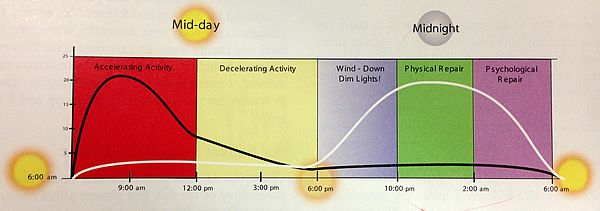
What stops us sleeping?
In a recent survey by the Sleep Council the main reasons given for poor sleep were an uncomfortable bed, noise and light disturbances, and mobile phones.
All of these factors can be more disruptive if we also have a lot on our minds – they can also (almost) all be resolved. External factors e.g. too much light, coffee, sugar, alcohol, and exercising late can affect the natural chemicals that send us off to sleep as the day draws on.
Alcohol blocks REM sleep, which is where we process information from the day which contributes to why we may find cognitive tasks harder after drinking and may not feel fully rested. We may drop off to sleep easier, but we are not getting the best quality of sleep or completing a full cycle.
Nearly 1/3rd of the UK population report that they have problems sleeping.
Typically, insomnia (difficulty getting to sleep or staying asleep) involves a ‘vicious cycle’ of:
Catching up on sleep during the day may then make it difficult to fall asleep at bedtime.
Insomnia and poor sleep can affect mood and concentration levels. It is often linked to physical problems, and periods of stress and worry. Developing a good routine throughout the day is recommended as the first and best way to tackle poor sleep.
You could try the following:

Please use the sleep diary if you feel this will be helpful to complete for a week.
If you continue to have difficulty sleeping, it is recommended you speak to your GP for specialist guidance. They may want to undertake some routine checks to see if there are any underlying health conditions or deficiencies that are contributing to the poor sleep.
You don’t have to suffer in silence!